Power Programming With One Way Programs, Metadata, And Application Models
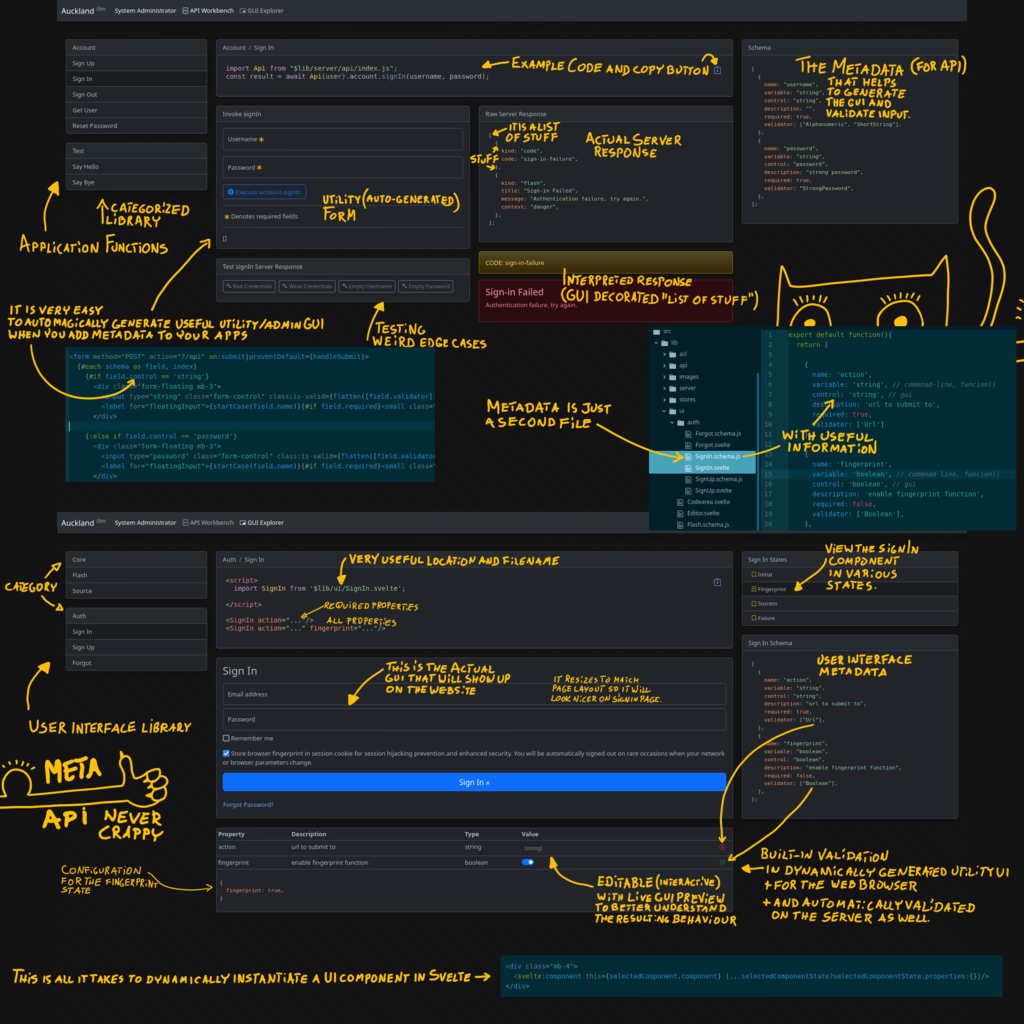
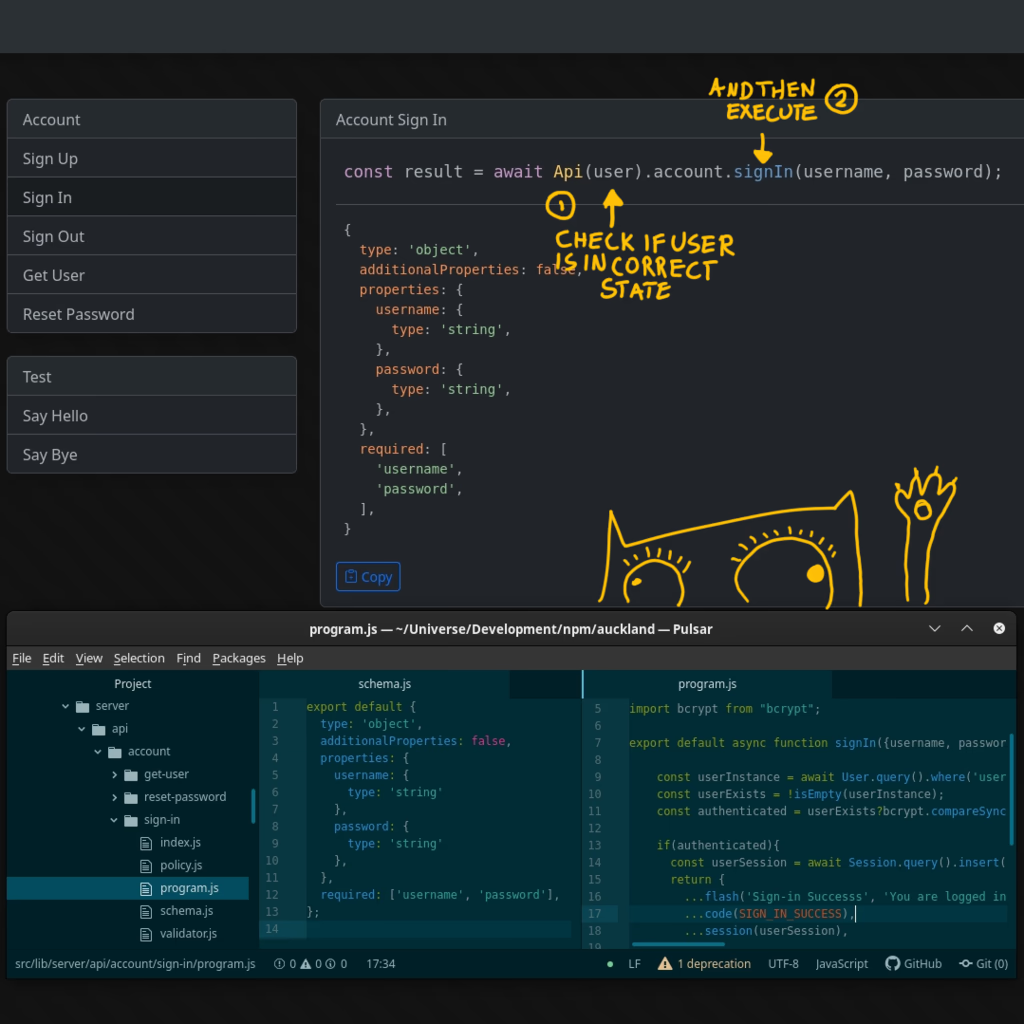
The post explains how to build fast, secure apps by combining one‑way data binding, reflective metadata, standalone application models, and tools like Objection.js,…

Writing software: JavaScript, Node.js, web development, visual programming, Linux, tools and tutorials.
430 posts · page 13 of 18
The post explains how to build fast, secure apps by combining one‑way data binding, reflective metadata, standalone application models, and tools like Objection.js,…
The post celebrates meta‑programming by inviting developers to craft self‑referential, infinitely nested Node.js programs that build pixel‑art worlds resembling tesseracts.
Programming revolves around three core constructs—functions, conditionals (ifs), and loops—which every language implements in its own syntax. Functions are named blocks that…
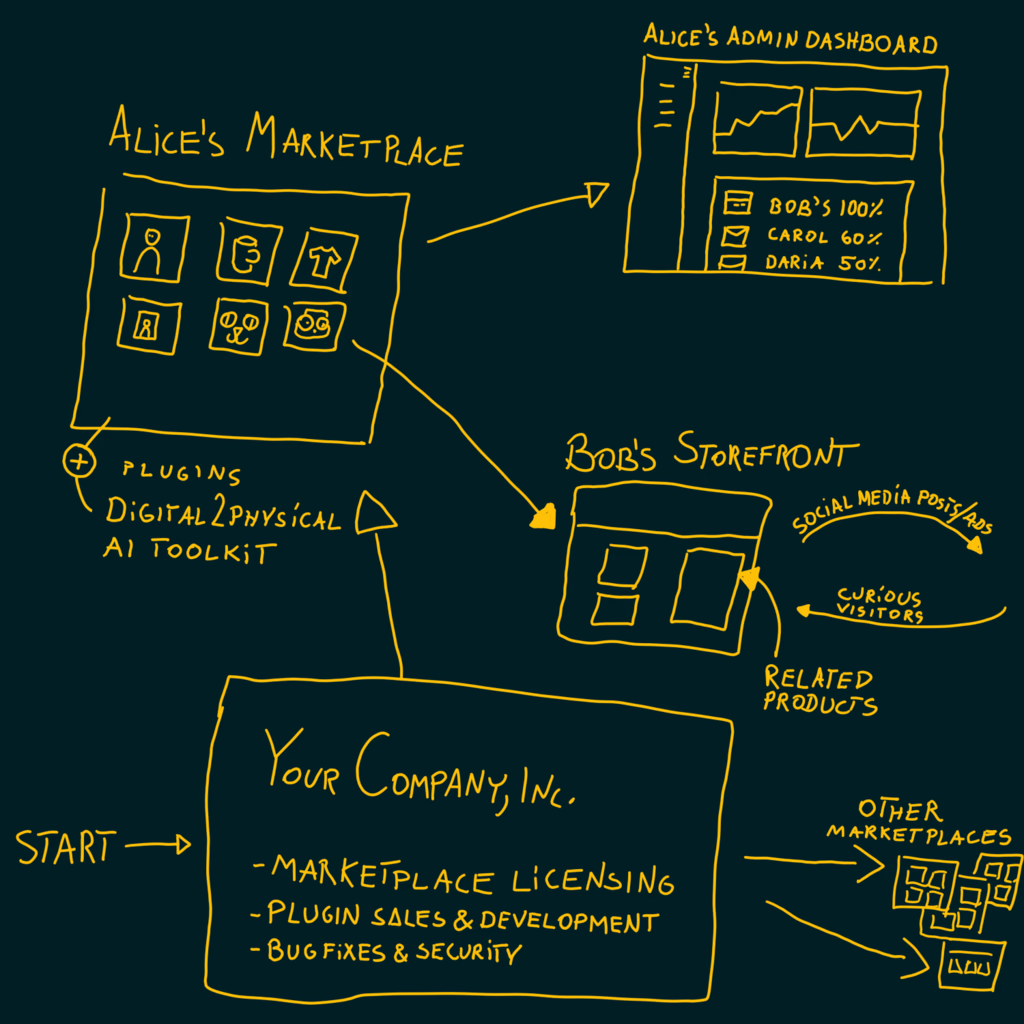
Your Company sells a multi‑store marketplace that lets users launch their own AI art shops, earning sales commissions while the platform collects a small percentage of each…
The post describes how creating a simple product—such as AI‑generated stylized photos—can evolve into a full multi‑user marketplace platform: starting with a static website,…
The post explains how HTTP’s statelessness allows session‑based authentication via cookies, shows how attackers manipulate IDs to gain privileges, and proposes building a…
The post begins with an idea to launch an online photo shop that evolves into a marketplace where other users can also sell their AI‑generated images, turning it from a simple…
In this post the author argues that mastering programming means over‑engineering every part of your stack, especially security: implement your own authentication and session…
The author argues that programmers are misunderstood and suggests companies fix this by offering respectful paid internships or salaries for learning and volunteering; he…
The post explains relational database fundamentals by comparing them to spreadsheets and then introduces a simple “accounts‑to‑users” model that uses LEFT JOINs to create…
The post argues that teaching programming can be made as engaging as a game by using ready‑made, deployable platforms rather than starting from scratch. By beginning with a…
Programming is described as an adventure that starts with simple function calls and grows through loops, conditionals, and relational databases that structure data like…
The author reflects on how exciting programming can be, especially when it solves real problems like creating virtual desktops that run inside web pages and letting them work…
Web page design has been a long‑standing activity that can begin simply by creating static pages and then evolve into more dynamic work such as browser plugins that inject robots…
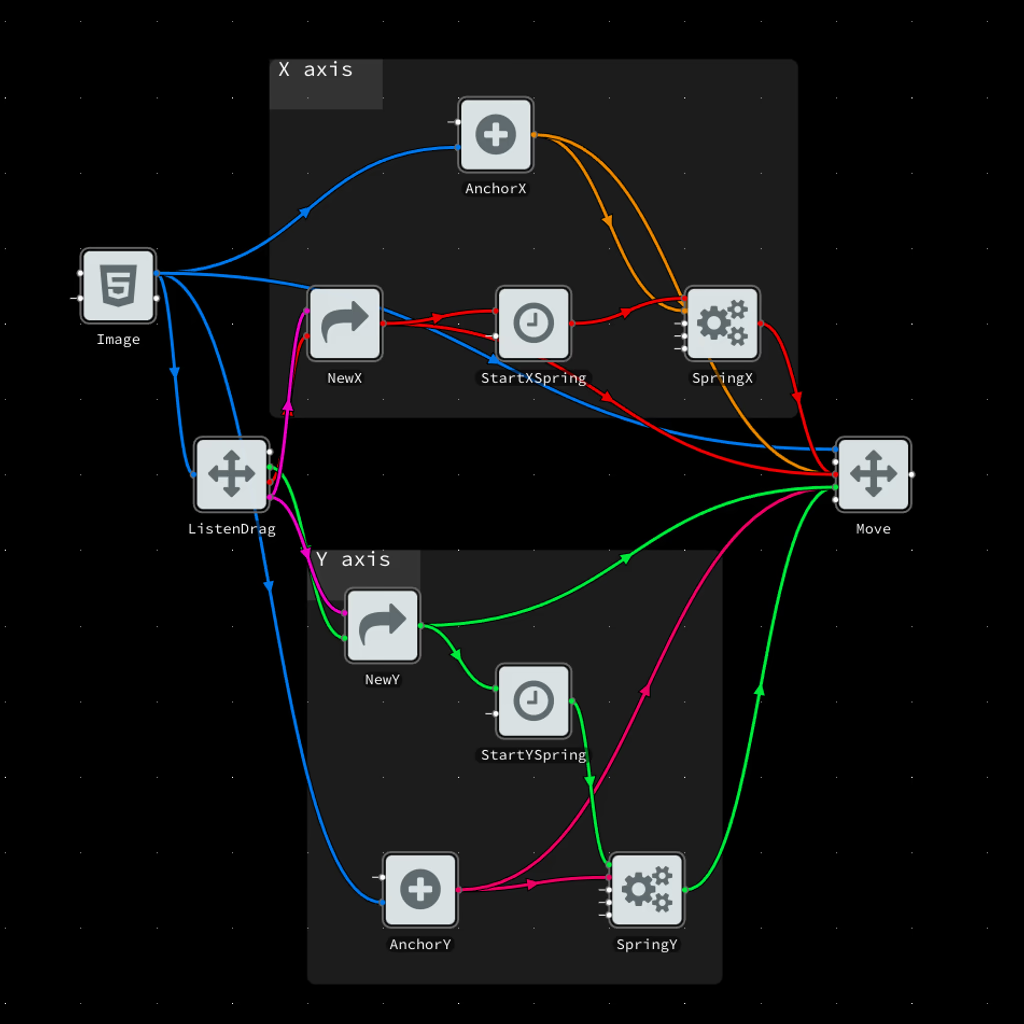
The post explores the long‑standing quest for visualizing program structure and argues that existing approaches—directory trees, documentation, static analysis, GraphViz graphs,…
The author argues that the best way to build robust software is by starting small and staying modular: plan your program as a tree of loosely coupled components, use simple…
The post explains how to set up a GitHub Pages site with a custom domain, detailing quirks such as needing the repository name to match “username.github.io” for automatic…
Antwerp is a custom static website generator that reads files from directories, builds an 18 000‑file site, and then uploads it efficiently; its core module “whooptiedoo”…
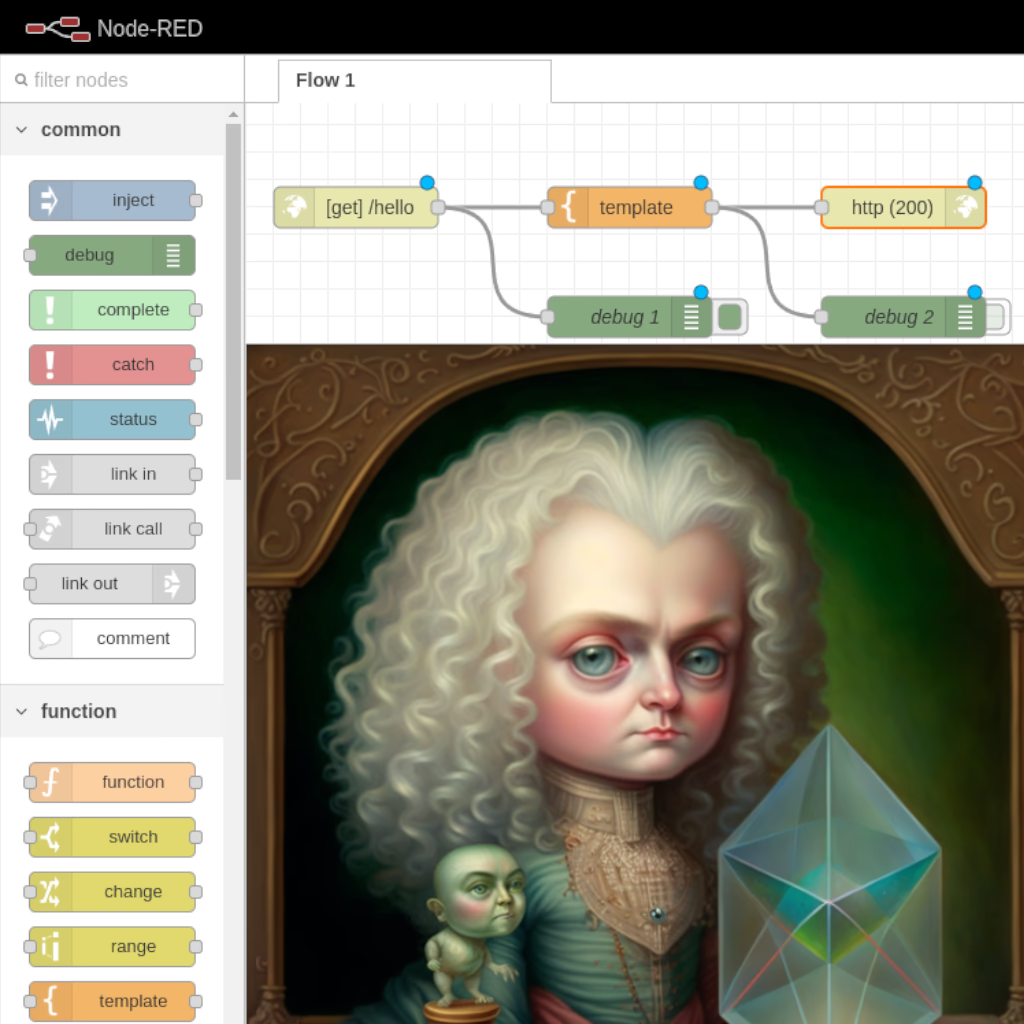
The post argues that programming can be organized into three levels—plain file‑based editors, literate “WikiWiki” notebooks, and visual block diagrams—and that the middle…
The post introduces how everyday symbols in URLs—slashes, question marks, hashes, equals signs, colons and at‑signs—form a language that lets you pass data to a server and keep…
I use AI-generated chibis in a test store—streamlining image editing with templates, adding frames and poems, boosting sales through social‑media marketing, and outlining plans…
The post argues that conventional schools often fail to truly teach programming, leaving students “tricked out” of practical skills; it proposes self‑directed learning using…
The post explains how AI-generated artwork can be turned into a scalable business model: by using AI to create small programs and functional visual programming interfaces,…
The post recounts the author’s early fascination with pixels and step‑by‑step commands for computers, which later evolved into building web pages and interactive windows that…